STOP Fearing Fear
contact@stopfearingfear.com

STOP Fearing Fear®

The Metacognitive Resilience Formula

Understand what fear is doing. Learn what to do next

Stress, overload, avoidance, emotional strain, difficult decisions or repeated negative patterns can begin to change the way we live and behave long before we fully understand what is happening.

You may recognise it in yourself. You may see it happening to somebody you care about. Or you may work with people whose behaviour is becoming harder to understand or support.

This book helps you look beneath those visible effects and understand what may be driving them.

Much mental health advice becomes most visible once somebody is already struggling. This book starts earlier. It explores what fear does to the way we think, decide and behave, how unhelpful responses can become repeating patterns, and what we can do while there is still more room to change direction.

“This framework has the potential to make significant, life-changing impact in education and beyond.”

Marcus Wells
Head Teacher, Westbury School (SEBD)

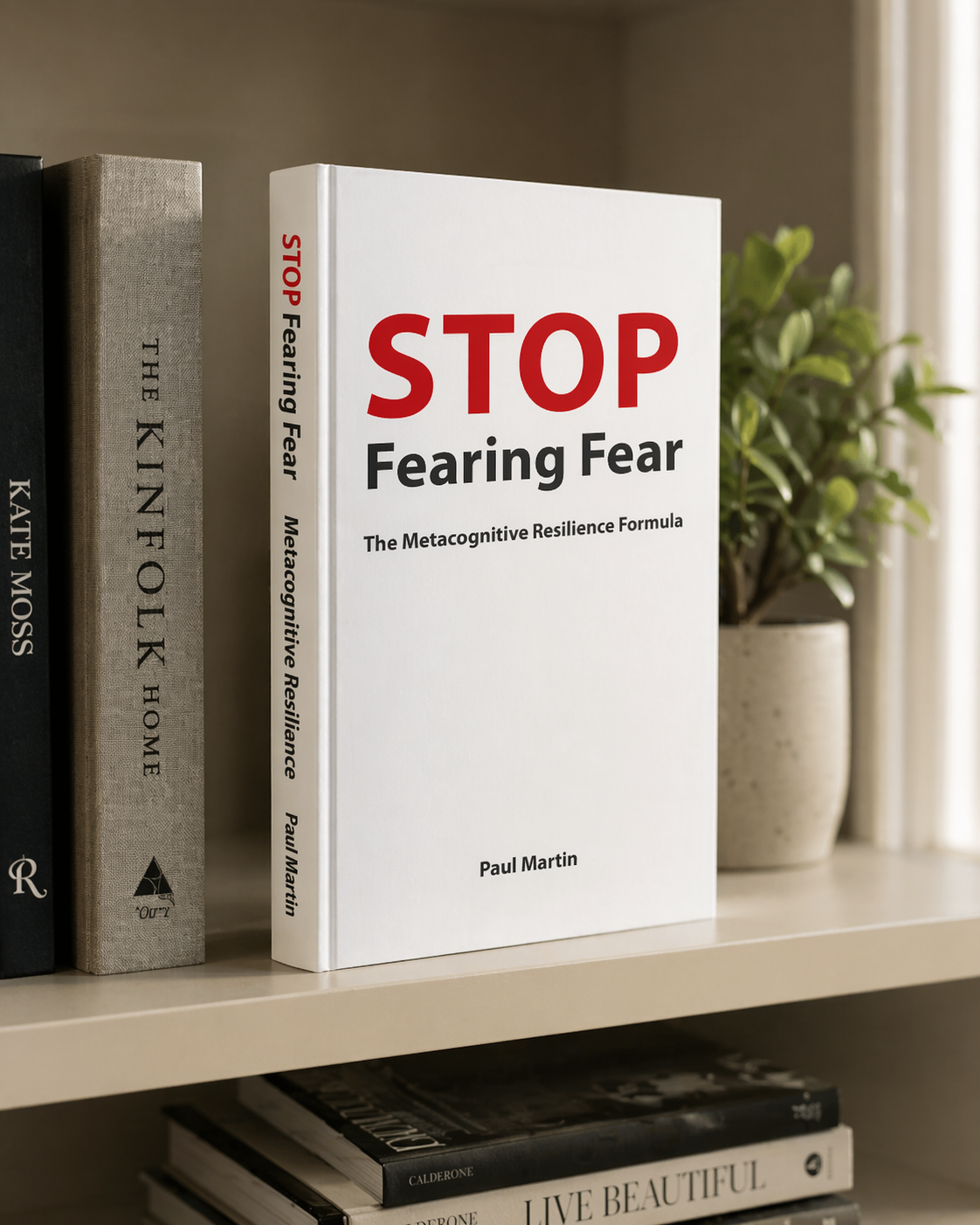
STOP Fearing Fear by Paul Martin book cover

What makes this book different

This book grew from practical work with people facing real difficulties. It explains how fear affects our behaviour and where we can step in to change what happens next.

STOP Fearing Fear® did not begin with an academic theory. The ideas behind it developed through more than two decades of practical work with fear, behaviour and difficult situations.

The earliest parts developed in specialist education, working with young people whose behaviour could change dramatically when fear, pressure or difficulty became too much. They developed much further through residential and family crisis intervention, often with older teenagers and young adults dealing with extraordinary levels of adversity.

In those environments, understanding why somebody was struggling mattered. But it did not always answer the immediate question:

What do I do when the next difficult thing happens?

That became increasingly important. Life did not stop while somebody worked through their past. Decisions still had to be made. Relationships still went wrong. Anxiety still appeared. Conflict happened. And sometimes a relatively small additional pressure could produce an enormous response because the person was already carrying so much.

The same underlying ideas were later developed through Peak Outdoor Therapy, working independently with adults facing more everyday pressures, decisions, relationships, anxiety and change. The circumstances were different and generally much further from crisis, but many of the behavioural processes were remarkably similar.

Fear therefore became central to the work, not because fear was considered abnormal, but because it was so normal.

Fear is a natural and involuntary response to perceived threat. The difficulty is what can happen next. Avoidance, withdrawal, anger, overthinking, defensiveness, impulsive decisions or attempts to regain control can sometimes make an already difficult situation harder.

STOP Fearing Fear® explores what happens between that initial fear and what we eventually do. It looks at how we interpret what is happening, how previous experience can influence that interpretation, how responses become patterns, and where there may still be an opportunity to do something differently.

The Metacognitive Resilience Formula and MetaSTOP Method® grew from that practical work. They provide a structure for recognising what is happening, stepping back from an immediate reaction, looking more accurately at the situation and deciding what to do next.

The result is not a book about becoming fearless.

It is a book about understanding fear well enough to respond more effectively when life becomes difficult.

The wider context matters too. Mental-health awareness, preventive advice, early-support approaches and clinical provision have all developed substantially, yet difficulties remain widespread. The Reality of Mental Health brings that evidence together. The book approaches the same problem from a different direction: examining what happens within the human response to threat, fear and difficulty, and how practical capability might be developed earlier.
➤ Explore The Reality

Recognise the patternRespond differently

What you will find inside

Part One: Understanding fear — beyond the biological explanation

Part One offers an extensive exploration of fear within modern human life, moving beyond the familiar biological explanations to examine its psychological, social and behavioural dimensions.

It begins with the nature of human behaviour and the evolutionary foundations of fear, then examines how fear operates through perception, interpretation, memory, emotion, decisions, action and feedback.

From there, the exploration becomes much wider. It examines how fear shapes identity, relationships, attachment, self-esteem, social behaviour, personal responsibility and our responses to change, uncertainty and perceived threat. It considers how the circumstances of modern life influence those processes, how apparently unrelated difficulties can become interconnected, and how unresolved responses contribute to recurring patterns, escalation and overload.

Throughout Part One, the Behaviour Cycle provides a connecting structure. Rather than treating fear as a collection of isolated symptoms or individual fears, the book examines how its different influences and consequences operate together.

The result is a broad, interconnected explanation of fear, its role in human behaviour and its effects on how we live.

Part Two: Metacognitive resilience — from understanding to application

Understanding fear is only the beginning. Part Two develops the capability to recognise what is happening and respond more effectively.

It explores metacognition and resilience as practical, learnable capabilities, then introduces the Metacognitive Resilience Formula: Acceptance of Fear, Acceptance of Truth and Reality, and Acceptance of Opportunity.

The MetaSTOP Method® provides a structured approach to interrupting unhelpful responses, considering options, preparing effective action and following through.

But Part Two is not limited to understanding a formula or memorising a method. It develops practical tools, techniques and approaches to recognising behavioural patterns, questioning interpretations, evaluating options, making decisions under pressure and learning from outcomes.

The emphasis throughout is on application: taking what you understand about fear and using it to respond more accurately when everyday difficulties, relationships, responsibilities, challenges or adversity demand action.

Part One develops a deeper understanding of fear. Part Two helps you turn that understanding into practical capability.

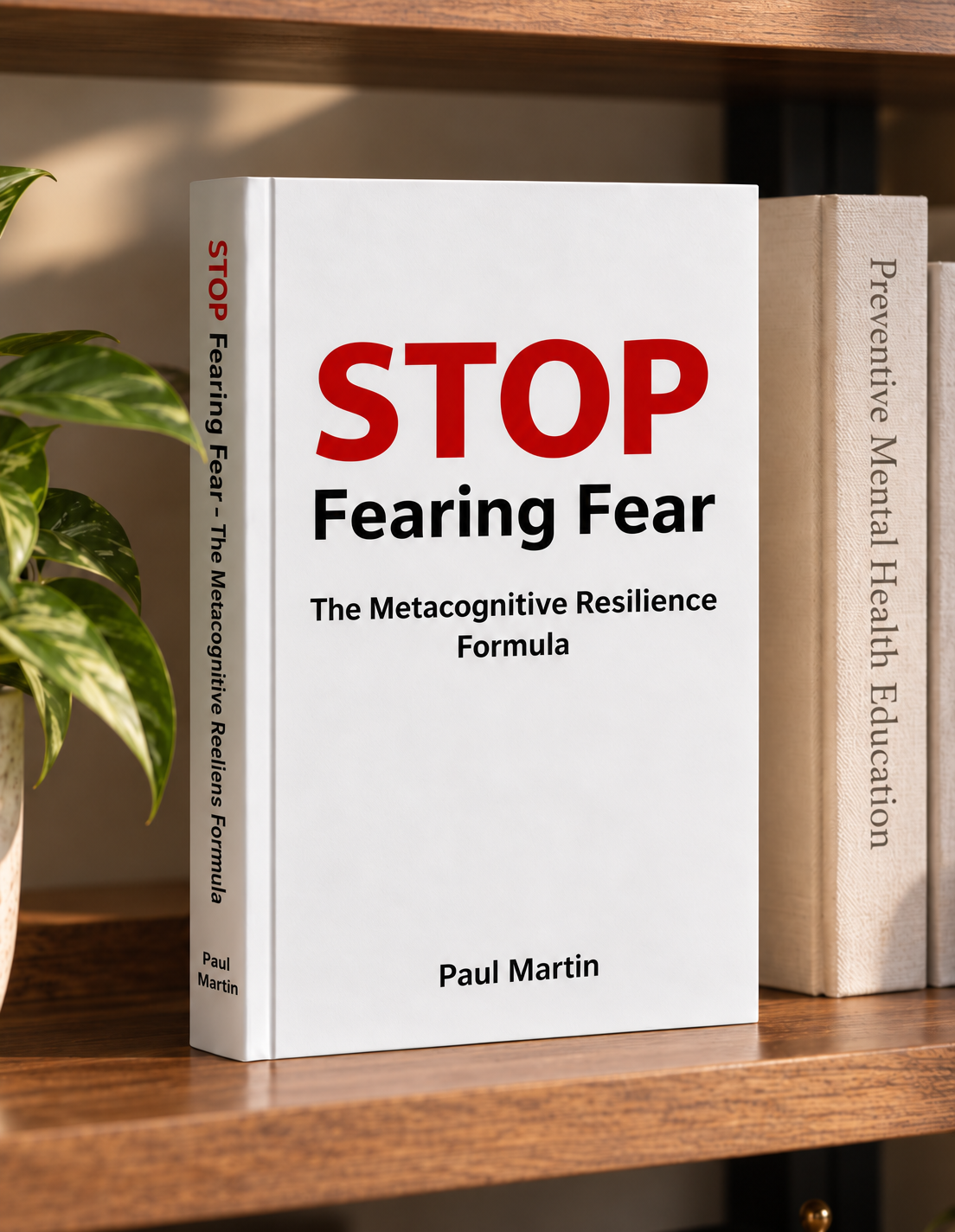
STOP Fearing Fear® book displayed on a bookshelf

What this book helps you do

The value of the framework is not simply in understanding fear. It is in becoming better able to recognise what is happening while you still have choices about what to do next.

The book helps you notice when fear is narrowing your thinking, distinguish between responses that resolve difficulty and those that keep it going, and make more deliberate decisions under pressure.

It also gives resilience a practical meaning: not simply enduring more, but learning from what happens and becoming better able to respond when the next challenge arrives.

Above all, it is designed to move you from explanation to application: when something difficult happens, what do you do next?

“Paul Martin does an excellent job in his book "Stop Fearing Fear" of helping the reader demystify fear and learn how to conquer it for good!”

Nicole Runyon
Author and former psychotherapist
Amazon Verified Purchase — 2 June 2026

Read the review on Amazon

Buy the book

Choose your Amazon store below.

The book is available through Amazon stores worldwide.

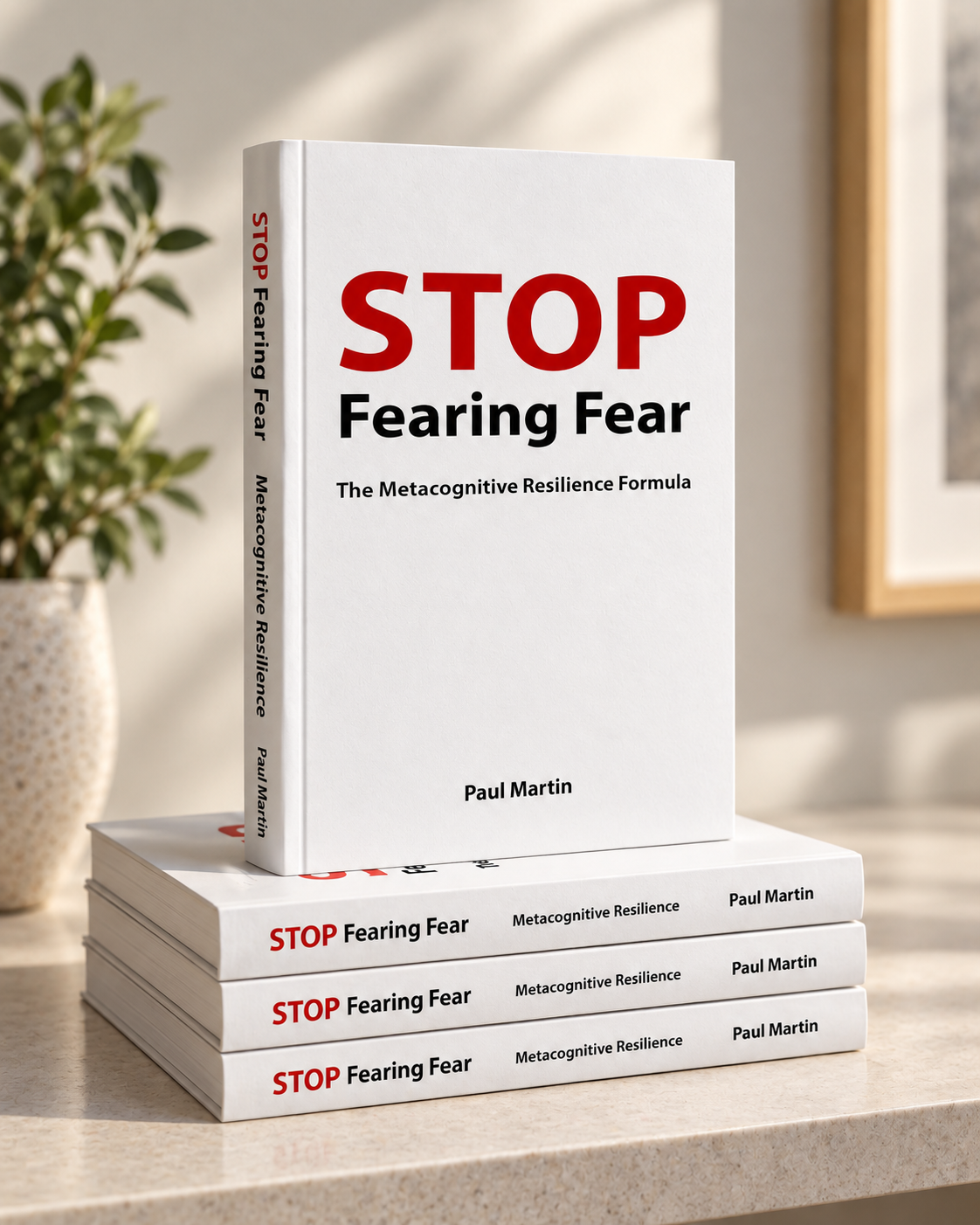
STOP Fearing Fear® book standing on a stack of copies

If your country is not listed, search “STOP Fearing Fear Paul Martin” in your local Amazon store.