STOP Fearing Fear
contact@stopfearingfear.com

About Paul Martin

Paul Martin is an educator, speaker, author and practitioner working in preventive mental health education. STOP Fearing Fear® grew from a determination that has followed him through more than 25 years of work: why are people struggling so much, and getting into so much difficulty, when so much of it could be prevented?

That determination led to a series of observations and questions rather than a theory. Fear seemed to play an enormous part in the behaviour Paul was seeing. Why were people taught so little about it? Why did people often know they were struggling, yet still not know what to do when difficulty actually arrived? Why, despite increasing mental health awareness and information, were so many people still without the practical capability to respond?

Those questions became a search for what could be taught earlier, before manageable difficulties became much harder ones. Over time, that work developed into STOP Fearing Fear®.

STOP Fearing Fear® is psychologically informed, behaviourally organised and prevention-led.

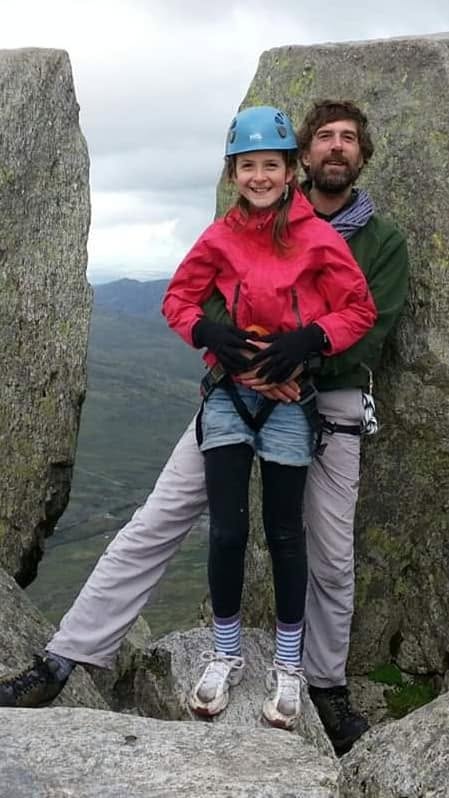
Paul Martin with his daughter beside the Adam and Eve rocks at the summit of Tryfan, Snowdonia
With my daughter beside Adam and Eve at the summit of Tryfan, around 20 years ago. She cried much of the way up the North Ridge, frightened but determined to keep going. There were opportunities to turn back, but she chose to continue and reached the top.
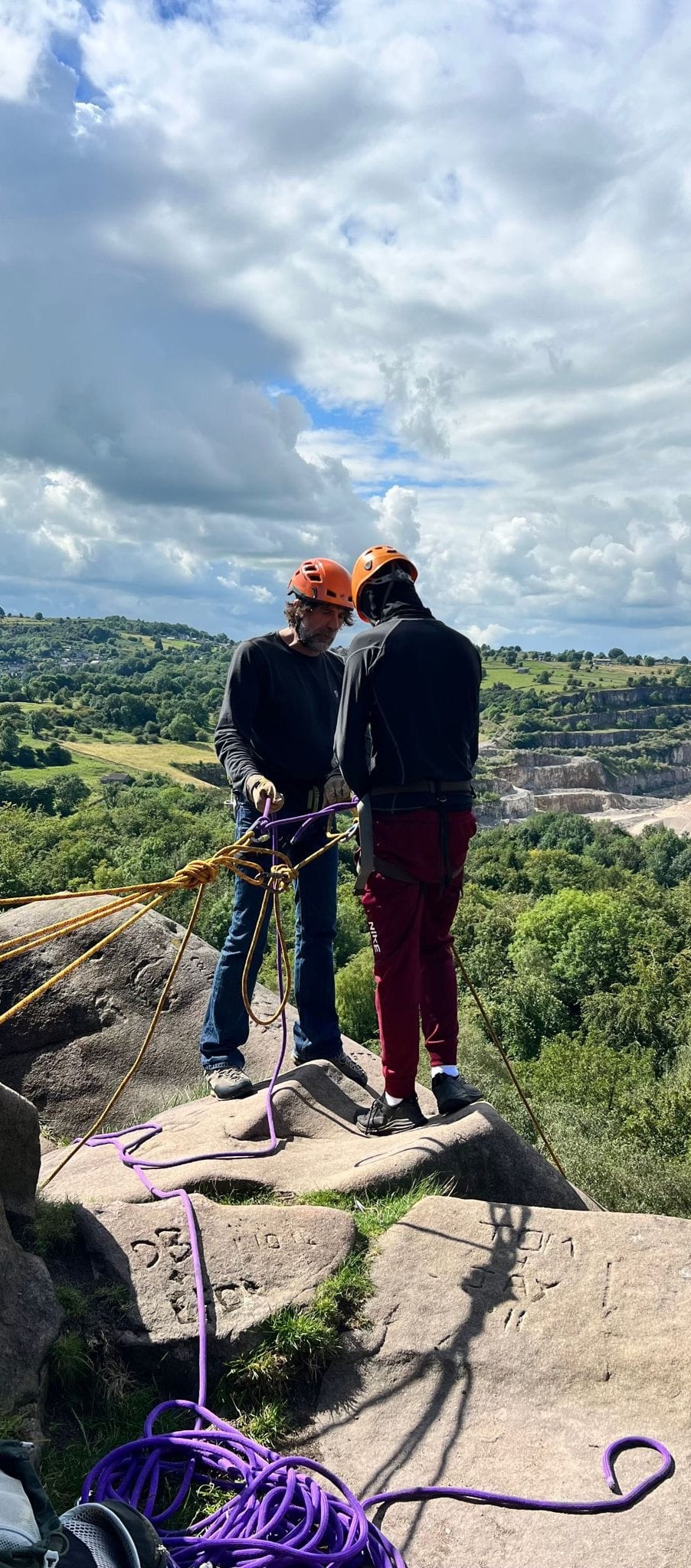
Paul Martin during outdoor intervention work

Built through experience

Paul's work began in specialist education, where he spent more than a decade teaching young people with social, emotional and behavioural difficulties, including within psychiatric education.

It was there that many of the earliest parts of his work began to develop. Working with behaviour every day meant going beyond what somebody had done and trying to understand what was happening before it: what they were responding to, what they were experiencing as threatening and why a particular response made sense to them at the time.

Paul then spent 10 years working in crisis intervention, including 24-hour residential care with older teenagers and young adults, and behavioural, educational and family intervention in people's homes.

These were very different environments.

People were often dealing with considerable adversity, anxiety, instability and pressure. Behaviour could escalate quickly and sometimes have serious consequences. There was not always a therapist in the room, and some of the people Paul worked with had little interest in therapy or repeatedly discussing what had happened to them.

Many were, however, willing to look at their own present and future behaviour with the aim of creating a better life. Paul began asking them to notice the thoughts behind a response, the feelings those thoughts created and where the behaviour that followed was taking them. In the highly controlled environment of crisis care, changing a response could produce an immediate change in outcome. Those conversations became an early route into metacognition: helping somebody step back, examine their own thinking and see that a different response could lead somewhere different.

But life was still happening.

Arguments happened. Relationships changed. Decisions had to be made. Plans went wrong. Anxiety rose. Sometimes something relatively small produced an enormous response because the person was already carrying so much.

The practical question became increasingly important:

What do you do when the next difficult thing happens?

The wider evidence behind this preventive focus is explored in The Reality of Mental Health.
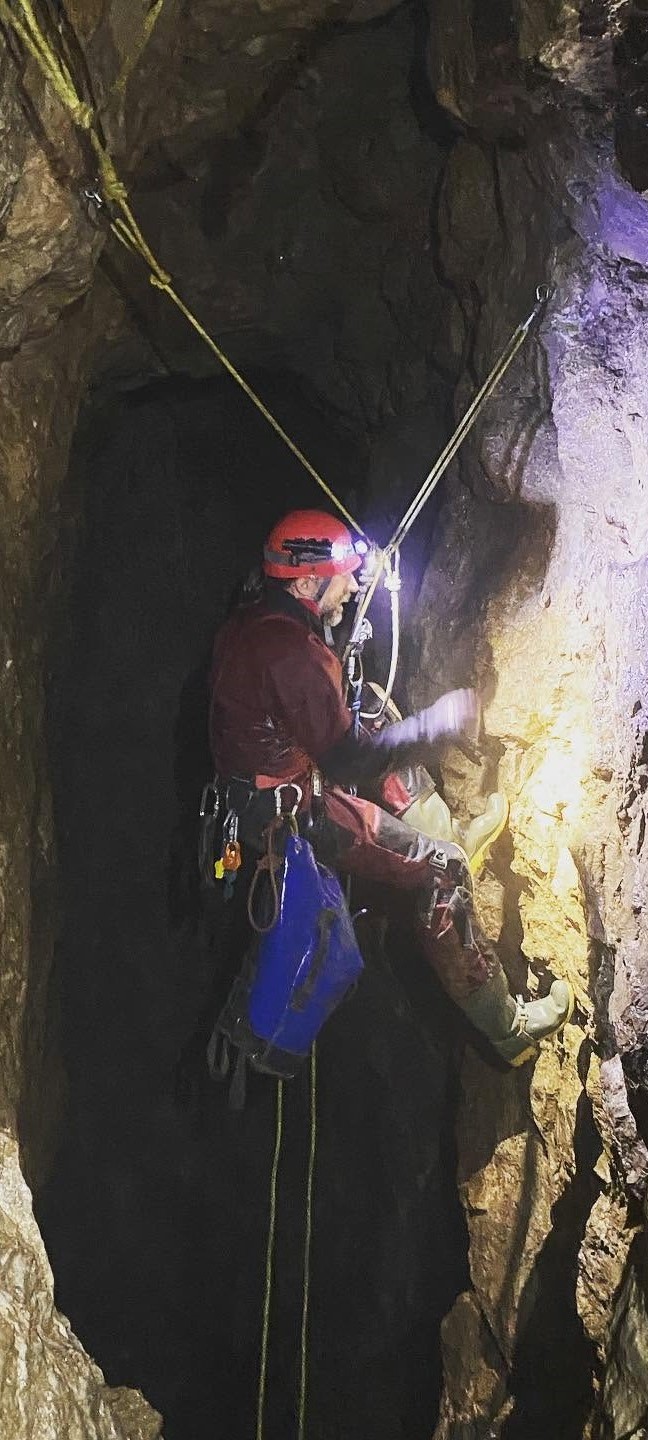
Paul Martin caving

From crisis intervention to everyday life

Over those years, different parts of what would eventually become STOP Fearing Fear® began to come together.

Fear became central because being frightened was often entirely understandable. The important question was what happened next: how fear changed appraisal, decision-making and behaviour, and why some responses resolved a difficulty while others made the situation considerably worse.

Ideas originally developed in education became more structured through crisis intervention. Paul’s outdoor experience also contributed to the development of STOP as a practical method for interrupting an immediate reaction, assessing what was happening and deciding what to do next.

The work then moved deliberately beyond education and crisis.

Through Peak Outdoor Therapy, Paul spent several years applying and developing the same underlying approach with independent adults. The circumstances were generally much further upstream: anxiety, relationships, work, difficult decisions, recurring patterns, life changes and the ordinary pressures that can begin to affect how somebody thinks and behaves.

The circumstances changed. Much of the underlying behavioural process did not.

That transition was important. It demonstrated that the work was not simply a way of responding to crisis or working with young people. It was becoming a broader framework for understanding what happens when human beings encounter fear, pressure, challenge and adversity.

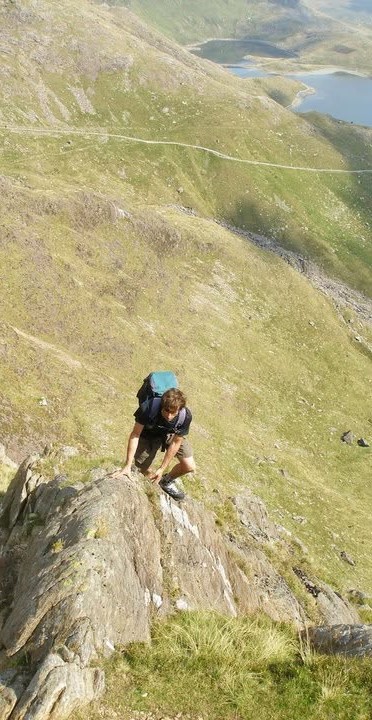
Paul Martin outdoors on Snowdon

From experience to a framework

STOP Fearing Fear® grew from bringing those different strands together.

The Behaviour Cycle provided a way of mapping what happens from a change in circumstances through fear, appraisal, feeling, action, outcome and learning.

The Metacognitive Resilience Formula developed from the need to do more than understand that process. It asks what becomes possible when we can recognise fear, look more accurately at the truth and reality of what is happening, and identify the opportunities for action that still exist.

The MetaSTOP Method® provides a practical way of applying that thinking when something is actually happening.

Together, they turned years of fragmented learning, observation and practical methods into a more coherent framework.

Today, that work sits within Preventive Mental Health Education. Paul continues to develop and apply it through writing, speaking, training, Personal Intervention and Personal Coaching, with individuals and organisations.

Government Engagement

Stop Fearing Fear Services Ltd is a participating employer in the Department for Work and Pensions' Keep Britain Working Vanguard, a UK government initiative bringing organisations together to improve approaches to work and health.

A life lived outdoors

Walking, climbing, caving and sea kayaking have long been central to Paul’s life.

Paul is a qualified Mountain Leader and Climbing Instructor, with extensive experience leading and supporting people in outdoor settings. Time outdoors has reinforced qualities central to his wider work: preparation, sound judgement, adaptability, calm decision-making and the willingness to act when circumstances change.

That experience now informs Walk & Talk sessions across Derbyshire and the Peak District. The outdoors supports the conversation, while Personal Intervention remains the purpose.

Explore The Framework to understand the central ideas, read The Book for the complete model, or visit Resources for downloadable guides and practical tools.

Solo sea kayaking camp on the North Wales coast at sunset, with a red kayak and tent on the beach
We all travel solo, really, and need to learn the skills to deal with life. If not, we sink.