STOP Fearing Fear
contact@stopfearingfear.com

Who It’s For

You may not call it fear

... but something may be becoming harder to ignore.

You may still be functioning, but carrying more than you are resolving. Decisions may be taking longer. Avoidance may be growing. Reactions may be becoming stronger. The same difficulties may keep returning without anything fundamentally changing.

Or you may be watching this happen to a child, partner, colleague, employee or somebody whose care you carry.

You may call it stress, pressure, difficult behaviour, poor choices, a lack of confidence or simply a bad period. When fear and pressure remain unresolved, acute stress can become chronic. Beneath the visible problem, fear is already affecting how you feel, how clearly you think and what you do next. Without a different response, the same pattern can keep returning.

You do not need a diagnosis or the language of therapy to recognise when something is beginning to falter. STOP Fearing Fear® helps you understand what is happening, recognise where you can intervene and take action before the difficulty becomes something much harder to manage.

These experiences are personal, but they are not occurring in isolation. Across the wider population, mental-health difficulties remain common despite substantial growth in awareness, preventive advice, early support and clinical care. The Reality of Mental Health looks at that wider evidence and the question it raises: whether enough people have the practical capability to recognise and respond effectively while difficulties are still developing.
➤ Explore The Reality

If you are struggling in your own life

You may know that something needs to change but keep circling the same decision, avoiding the same conversation or returning to the same pattern.

You may still be working, functioning and meeting responsibilities, but the effort required is increasing. What once felt manageable may now be affecting your judgement, relationships, confidence, direction or ability to act.

Understanding thoughts and feelings helps, but understanding alone does not change what happens next. You can learn to recognise when difficulty is beginning to change your behaviour, interrupt an unhelpful response and decide what to do next. With practice, that becomes something you can use across different situations.

You do not have to wait until the situation becomes a crisis. If something is active and pressing now, Personal Intervention provides a focused route into movement. If you want to understand recurring patterns and develop more deliberate responses over time, Personal Coaching provides the developmental route.

➤ Personal Intervention

➤ Personal Coaching

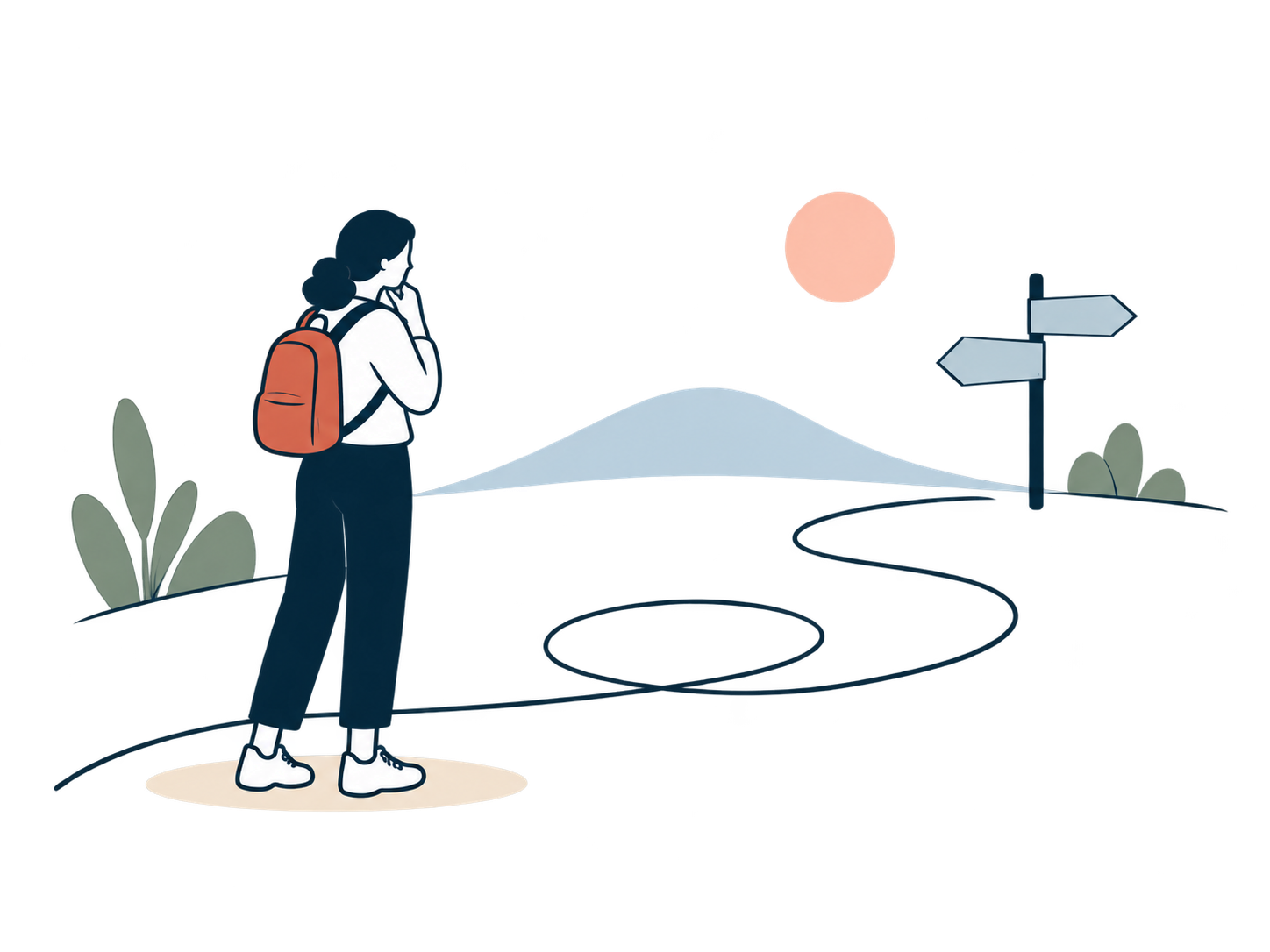
Illustration representing someone struggling with their own life

If someone you care about is struggling

Sometimes the difficulty is not happening directly to you, but it affects your life.

You may be watching a child, partner, family member or friend become more withdrawn, avoidant, reactive or overwhelmed. The same conversations may keep returning. Offers of help may be rejected. Choices may appear increasingly difficult to understand.

Visible behaviour is often labelled as defiance, weakness, laziness, poor judgement or unwillingness to change. But what you can see is only the end of a much bigger process. Fear or a sense of threat may already be changing how the person feels, understands the situation and responds to it.

You do not need to become somebody’s therapist or take control of their life. You can learn to recognise what may be happening, respond more accurately and support earlier action without increasing pressure or removing their responsibility.

You cannot complete the cycle for them. But you can change what you bring into it.

➤ Explore the Resources

➤ Explore the Framework

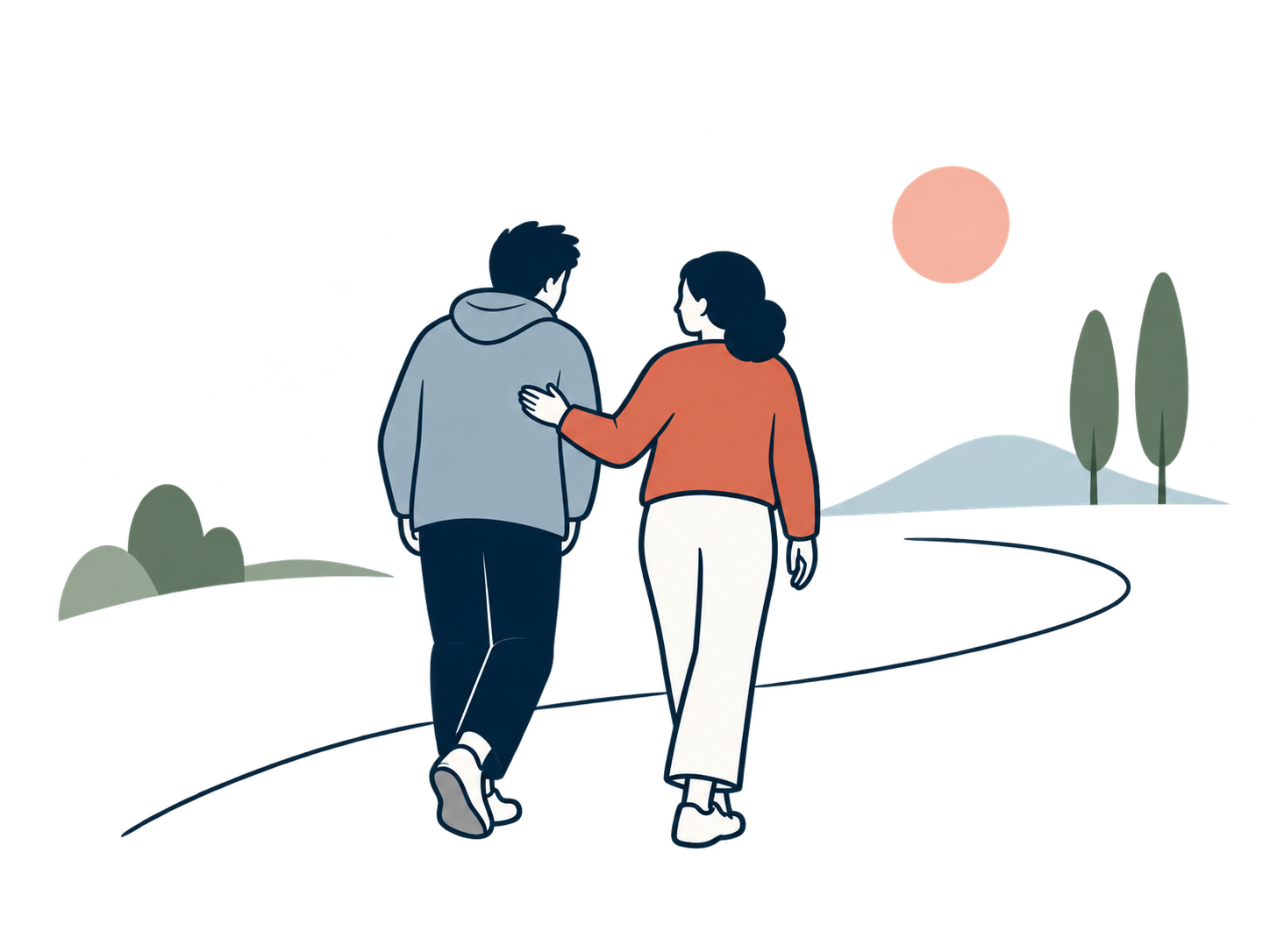
Illustration representing someone supporting a person they care about
Illustration representing people who rely on your judgement

If other people rely on your judgement

Your decisions do not affect only you. You may lead a team, organisation, service or business in which other people depend on your clarity, judgement and willingness to act.

You may notice people still turning up and functioning while their behaviour begins to change. Decisions take longer. Communication becomes strained. Responsibility is avoided or carried by too few people. Conflict increases. Capable people become cynical, withdrawn or increasingly difficult to reach.

These changes are easily labelled as poor performance, weak motivation, personality problems or lack of resilience. But they may also be early evidence of fear and unresolved pressure altering behaviour before absence, burnout or breakdown makes the problem impossible to ignore.

Leadership does not require you to become a therapist or remove every pressure. It requires you to recognise deterioration earlier, respond more accurately and create conditions in which better action remains possible.

That is both a human responsibility and an operational one.

➤ Explore Speaking & Training

➤ View Organisational Resources

Illustration representing behaviour as part of your professional world

If behaviour is part of your professional world

You may work in education, SEND, care, safeguarding, alternative provision, intervention, crisis services, emergency settings or another role in which behaviour carries real consequences.

In these environments, people are often encountered at the most visible point: refusing, withdrawing, reacting, shutting down, escalating or becoming overwhelmed. By then, the Behaviour Cycle may have been developing for far longer than the final action suggests.

STOP Fearing Fear® gives people working with behaviour a way to understand more of what is happening beneath the actions they see. It helps them look beyond the final Action and Outcome stages, recognise when the full Behaviour Cycle is escalating and identify where a different response or the right support may still alter its direction.

It does not ask every professional to become a therapist or make a diagnosis. It develops the behavioural understanding needed to respond earlier, more consistently and with greater accuracy.

The same lens also matters for you. Carrying sustained responsibility for other people can affect your own judgement, behaviour and ability to remain effective.

➤ Explore Before Behaviour Escalates

You do not have to wait until it has a bigger name

You do not need to wait for strain to become burnout, difficulty to become crisis or behaviour to acquire a formal label before it deserves attention.

If something on this page feels familiar, that is enough reason to look closer. Something may already be changing in the way you, or somebody you care about, is thinking, deciding, behaving or responding.

Acting earlier does not mean overreacting or turning normal fear into a psychological disorder. It means paying attention while there is still more room to understand what is happening and influence what happens next.

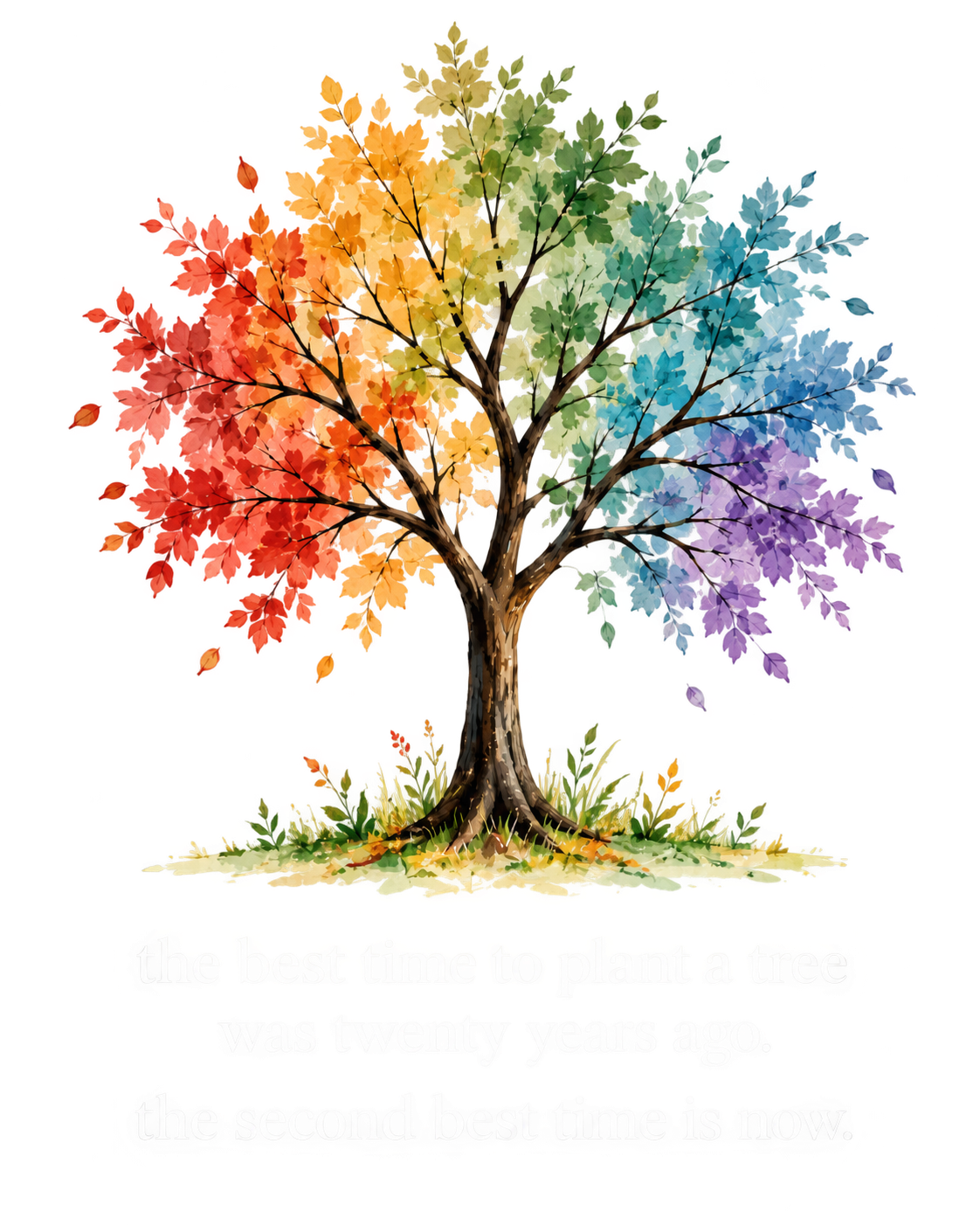
Colourful watercolor tree with the words: The best time to plant a tree was twenty years ago. The second best time is now.

Start where you are

You do not need to understand the whole framework or decide everything now. Start with the part of this page that felt most familiar.

Whether you want to understand the ideas, find support for something happening now or explore how the framework applies to your work, choose the next step that makes sense for you.